
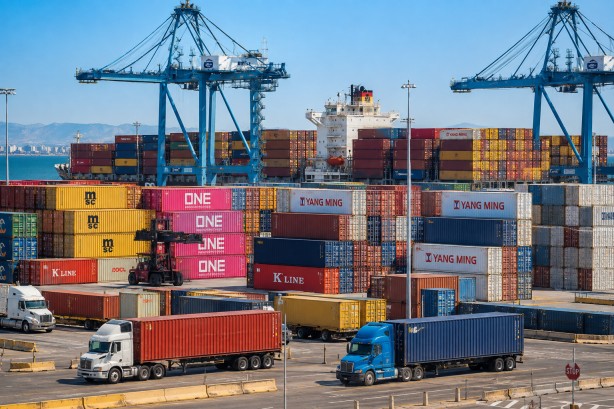
Following a ruling by the Supreme Court deeming a substantial portion of the tariffs unlawful, the US government has issued refunds amounting to approximately $100 billion. These tariffs were part of trade measures implemented during President Donald Trump’s administration, known as “Liberation Day.” The refunded amount represents about 60% of the $165 billion collected under these measures. The tariffs were initially imposed as a key component of Trump’s trade policy, which aimed to revitalize domestic manufacturing, secure advantageous trade deals, and boost government revenue.
In the wake of the court’s decision, the administration has returned the collected duties to the companies that were affected. Despite these refunds, the US is still grappling with a widening budget deficit, which has soared to $1.37 trillion over the first nine months of the fiscal year. This comes as a significant financial pressure point for the federal government, raising concerns about the sustainability of its fiscal policies.
Last month, in a move that has sparked fresh legal disputes, the Trump administration rolled out a new series of tariffs, ranging between 10% and 12.5%, on imports from over 80 countries. These include major trade partners such as India, China, the United Kingdom, Canada, Mexico, Australia, and the European Union. The administration justified these latest tariffs by citing issues related to products allegedly linked to forced labor, a stance that has been met with criticism both domestically and internationally.
This latest round of tariffs is now facing legal challenges led by a coalition of 25 US states. The group is attempting to block the measures, arguing that these tariffs unlawfully replace those previously invalidated by the Supreme Court decision. As the legal battle continues, the implications for international trade and domestic economic policy remain uncertain, with many watching to see how these developments will unfold.