
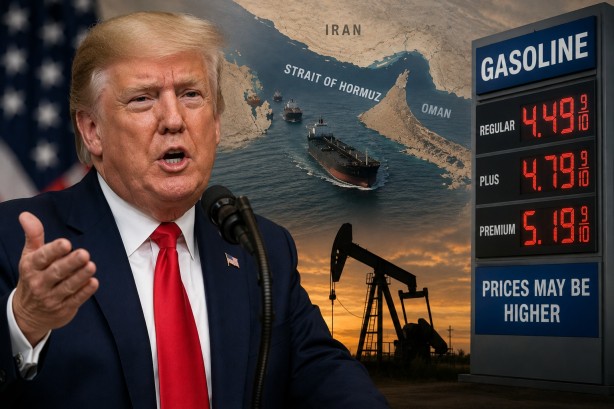
As tensions with Iran persist, President Donald Trump has called on Americans to brace for slightly elevated gasoline prices due to continued disruptions in the Strait of Hormuz. Addressing supporters at a New York rally, Trump justified the potential price hike as a necessary measure to prevent Iran from acquiring nuclear weapons. He also hinted at a bold move, suggesting he might declare the strait as United States territory if Iran is defeated.
In response, Iran has dismissed Trump’s assertions, maintaining that the vital waterway remains under its control. Deputy Foreign Minister Kazem Gharibabadi stated that Iran would uphold the blockade until the U.S. acknowledges Iran’s narrative of its strategic victory. Meanwhile, Iranian Foreign Minister Abbas Araghchi indicated that Tehran is yet to decide on resuming talks with the United States, emphasizing that the reopening of the shipping route hinges on Washington meeting Iranian demands.
The ongoing standoff has significantly impacted tanker traffic in the Strait of Hormuz, a crucial passage for global oil and natural gas shipments. This disruption has contributed to rising crude prices, consequently exerting upward pressure on fuel costs. In the U.S., the average price of gasoline has surged to approximately $4.08 per gallon, reflecting a 29% increase from the previous year. Concurrently, Brent crude prices are poised for a substantial weekly gain.
In Iran, the economic repercussions are also profound. President Masoud Pezeshkian has attributed the country’s escalating inflation to the U.S.-imposed blockade, sanctions, and the limitations on Iranian oil exports. Meanwhile, the Trump administration has signaled the possibility of further financial penalties against Tehran as diplomatic efforts to broker a ceasefire remain at an impasse.