
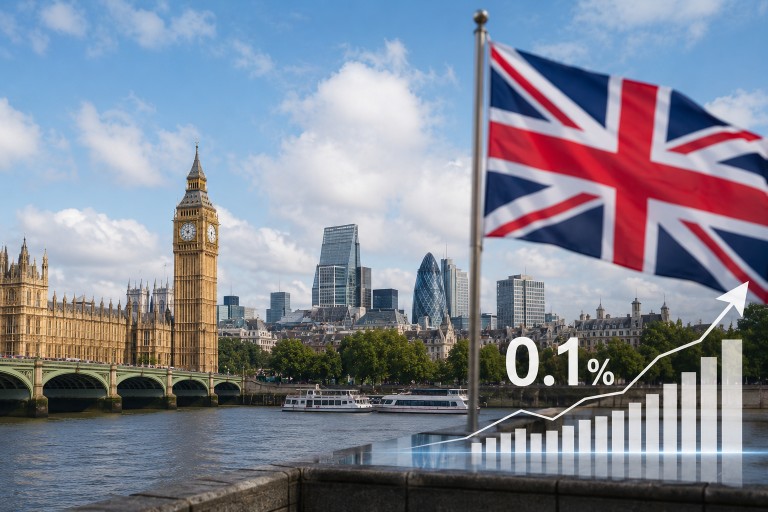
The UK economy experienced a modest uptick in May, expanding by 0.1% after a similar-sized contraction in April. This slight recovery was largely attributed to a 0.3% rise in the services sector, which played a pivotal role in offsetting declines elsewhere. However, the overall economic landscape was tempered by a 0.5% decline in production and a more pronounced 0.8% drop in construction activity. Notably, the scientific research and development sector emerged as a standout performer, achieving a significant 5.1% increase in activity for the month.
In the three-month period leading up to May, the UK economy grew by 0.7%, marking a slight deceleration from the previous three months, which saw growth of 0.8%. This performance reflects the ongoing challenges faced by the British economy as it navigates complex global dynamics and domestic issues.
Economic experts have noted the resilience of the UK economy despite the pressures of rising energy prices and uncertainties stemming from geopolitical tensions, particularly in the Middle East. These factors have introduced a degree of volatility, impacting various sectors and creating potential headwinds for sustained growth. Nevertheless, the economy’s ability to maintain growth, albeit modest, is seen as a positive indicator amid these challenges.
The International Monetary Fund (IMF) recently adjusted its forecast for the UK’s economic growth, upgrading it to 1% for the year. Despite this optimistic revision, analysts remain cautious, highlighting that the outlook is still clouded by ongoing geopolitical tensions and persistent supply chain disruptions. These elements continue to pose significant risks and uncertainties that could influence the country’s economic trajectory in the coming months.