
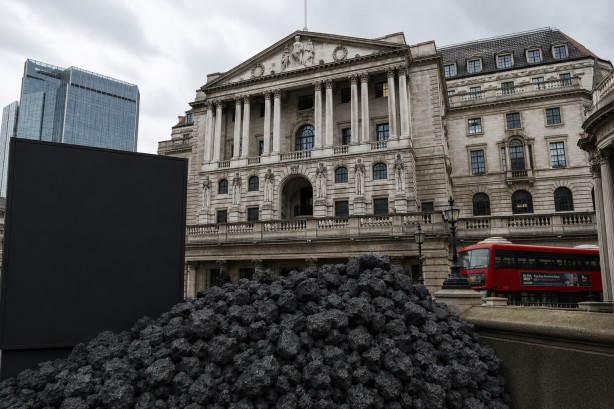
In a decisive move to combat climate-related financial risks, the Bank of England has declared that starting in October, it will no longer accept bonds linked to thermal coal companies as collateral for its lending operations. This decision reflects a broader initiative to address environmental concerns within the financial sector.
Bonds are a crucial part of the financial system, often used by commercial banks, including major lenders, as collateral when they borrow money from central banks. These bonds support their daily operations and transaction settlements. However, under this new guideline, bonds tied to thermal coal—the primary fossil fuel used for electricity generation in power plants—will no longer qualify for acceptance as collateral.
The central bank has highlighted the increasing financial risks that companies involved in thermal coal face, given the global momentum towards cleaner energy sources and achieving net-zero emissions. This shift suggests that assets related to coal could depreciate over time. In addition, the Bank of England’s policy allows for the application of discounts on bonds from other sectors that are also vulnerable to climate risks, aiming to safeguard its balance sheet from potential financial setbacks.
Environmental advocates have applauded the central bank’s initiative, emphasizing that it sends a powerful message to financial markets. They believe this could prompt commercial banks to reconsider and possibly reduce their investments in industries that are significant polluters. Globally, over 150 major financial institutions have already implemented limitations on business dealings with the thermal coal industry.
Experts assert that the policy’s success will depend largely on how climate risks are evaluated and whether similar strategies will be extended to other industries with negative environmental impacts in the future. This development could mark a turning point in how financial institutions manage climate risks, potentially influencing broader changes within the sector.