
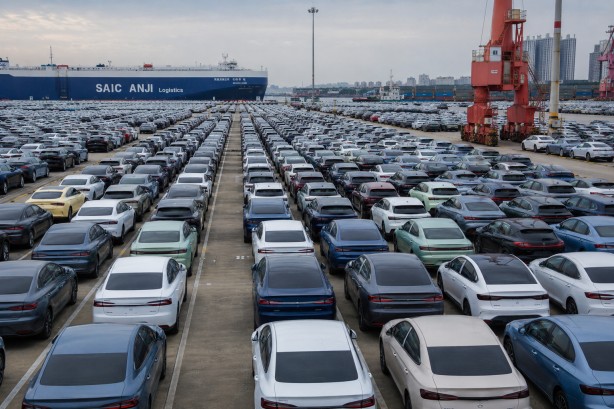
China has swiftly ascended to become the largest electric vehicle (EV) market globally, spurring the growth of key companies and altering the landscape of the automotive sector worldwide. This rapid expansion, however, has not been without its challenges, as it raises issues around surplus production capacity and heightened competition.
In the last ten years, a combination of governmental incentives, strong local investments, and robust consumer interest has spurred a wave of companies to dive into the electric vehicle arena. This strategic push has not only cultivated some of China’s leading auto manufacturers but also bolstered its standing in battery innovation and sustainable transportation technologies.
Yet, the speed at which the sector has grown has, in some instances, surpassed market demand. This has led automakers to construct factories with capabilities that exceed current market needs, which in turn has sparked price wars and financial strain within the industry. As manufacturers vie for market share through price cuts, competition has become particularly fierce. While larger companies continue to invest significantly in technology, production, and international market penetration, smaller firms find it challenging to keep pace.
Chinese authorities have recently expressed concern over the potential economic risks of unchecked growth and overcapacity. Industry experts suggest that the current challenge lies in finding a balance between fostering innovation and ensuring sustainable long-term growth.
Regardless of these issues, China continues to lead the world in the electric vehicle sector. Its manufacturers are not only dominating the domestic market but are also making inroads into international markets, thereby shaping the future of global transportation.